
To understand why there is no shortcut to adding height, it helps to know where height actually comes from. In short, it comes from a thin layer of tissue near the ends of the long bones, and that layer only works for a limited number of years.
Growth plates: where height is made
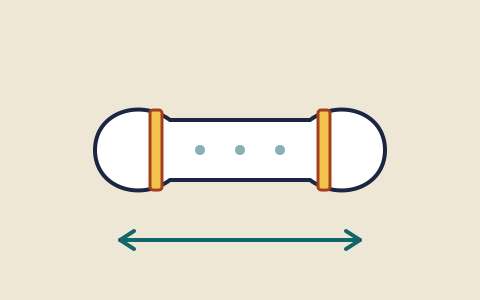
The U.S. National Institute of Arthritis and Musculoskeletal and Skin Diseases (NIAMS) describes the growth plate as an area of tissue near the ends of the long bones in children and teenagers. The thigh bone, the bones of the forearm and the bones of the hands and fingers are all long bones. Each one has at least two growth plates, usually one at each end.
The growth plate decides the future length and shape of the adult bone. MedlinePlus Genetics adds that growth plates are where new bone is produced, lengthening the bones as children grow, and that some of the many genes linked to height act on the cartilage in these plates. When people talk about "growing taller", they are talking about this process: new bone being laid down at the growth plates of the legs, spine and other bones, year after year, until the plates stop.
Because height is a matter of bone length, muscles, tendons and ligaments do not make a person taller. Stretching them, strengthening them or hanging from them does not add bone at the growth plates. Height is a property of the skeleton.
Childhood: steady growth
Before puberty, doctors watch whether a child keeps growing at a steady rate compared with other children of the same age and sex. MedlinePlus lists a slowed growth rate as one of the signs that can point to a problem with growth hormone, and says that very slow or very fast growth can sometimes signal a gland problem. The guide to growth charts explains how doctors read that path.
This is where everyday conditions come in. MedlinePlus Genetics says a well-nourished, healthy and active child is likely to grow into a taller adult than a child with a poor diet, infections or inadequate health care. Those conditions help a child reach their own potential; they do not raise it.
Puberty and the growth spurt
Puberty is the stage when a child becomes sexually mature. Both MedlinePlus and the Eunice Kennedy Shriver National Institute of Child Health and Human Development (NICHD) say the physical changes usually begin between ages 8 and 13 in girls and between 9 and 14 in boys. NICHD lists growth spurts among the normal signs of puberty.
MedlinePlus describes the growth spurt as a rapid increase in height that lasts for about two or three years. It brings a young person close to their adult height, which they reach after puberty. Because girls usually start puberty earlier than boys, they usually have their spurt, and finish growing, earlier too.
The spurt is not something a teenager can trigger or stretch out. It is part of puberty itself, and its timing is largely set by the body. A teenager who is shorter than friends at 13 may simply be starting puberty later; NICHD notes that many children whose puberty is late go through it normally, just at a later age.
When the plates close
This is the key fact for anyone asking how to grow taller faster. NIAMS explains that once a child's growth is complete, sometime during adolescence, the growth plates close and are replaced by solid bone. After that, there is no growth plate left to make the long bones longer.
NIAMS also notes that girls' bodies mature earlier than boys', so girls' bones finish growing sooner and their growth plates are replaced by solid bone at an earlier age. That fits the earlier start of puberty in girls.
Once the plates have closed, height is effectively fixed. None of the health agencies whose guidance this site relies on describes any exercise, stretch, diet, supplement or device that lengthens the bones of an adult whose growth plates have closed. The treatments they do describe for increasing height, such as growth hormone medicine, are given by specialists to children with diagnosed conditions while they are still growing. The NHS mentions surgery to lengthen the arms or legs as something that is sometimes done for restricted growth, but it describes this as rare. It is a major specialist operation for particular medical conditions, not a way to change an ordinary adult's height.
In one line
Height comes from growth plates. They work through childhood and the puberty spurt, then close and turn to solid bone. After that, bones do not lengthen.
Early and late puberty
Because the growth plates close at the end of puberty, the timing of puberty affects how much growing time a child has. NICHD defines precocious puberty as puberty that begins before age 8 in girls or before age 9 in boys. It says precocious puberty is rare, affecting about 1 percent or less of the U.S. population, with many more girls affected than boys.
One of the problems NICHD lists for children with precocious puberty is failing to reach their full height, because their growth stops too soon. NICHD also notes that treatment can pause puberty until a child is closer to the usual age. That is a decision for a child's doctors, usually specialists in hormones and growth.
Delayed puberty is the opposite: the body's timing is later than the normal range. NICHD says many children with delayed puberty eventually go through an otherwise normal puberty, just later. Causes of delayed puberty include family history, poor nutrition and underlying medical conditions. For some, it reflects a longer-lasting condition in which the sex glands make few or no hormones. Both early and late puberty are reasons to see a doctor, not to try home remedies.
Why growth plates need care
While they are open, growth plates are the weak points of a young skeleton. NIAMS explains that they are weaker than the nearby ligaments and tendons, which makes them vulnerable to fractures from a fall or a blow, or from repeated stress and overuse. It notes that children who specialise early in one sport and train for long hours can overuse a particular limb and injure a growth plate.
NIAMS says children and teenagers with growth plate injuries often need prompt treatment to prevent problems with bone growth, and that with proper treatment most growth plate fractures heal without lasting effects. Signs it lists include persistent pain and tenderness after an injury, swelling or warmth at the end of a bone, and not being able to put weight on a limb.
This is one reason to be wary of any "height routine" that loads a growing child's joints in unusual ways. Ordinary play and sport are healthy; intense repetitive training aimed at a growth goal has no evidence behind it and carries real risk for open growth plates.
What this means for adults
If you have finished puberty and have not grown for some time, your growth plates have very likely closed. Your height now reflects your genes and the conditions you grew up in. That is not a failure on your part, and there is no hidden technique you missed.
What adults can do is look after the height they have. Later in life some people lose height, usually through changes in the spine. The guide on posture, the spine and height loss explains why, and what health agencies say helps keep bones strong.
If you are a parent reading this about a child or teenager, the useful questions are whether your child is growing steadily along their own path and whether puberty is arriving within the usual age range. If either seems off, the guide on when to talk to a doctor sets out what to raise.